Free Guides!
How to take photos you’ll be glad you took!


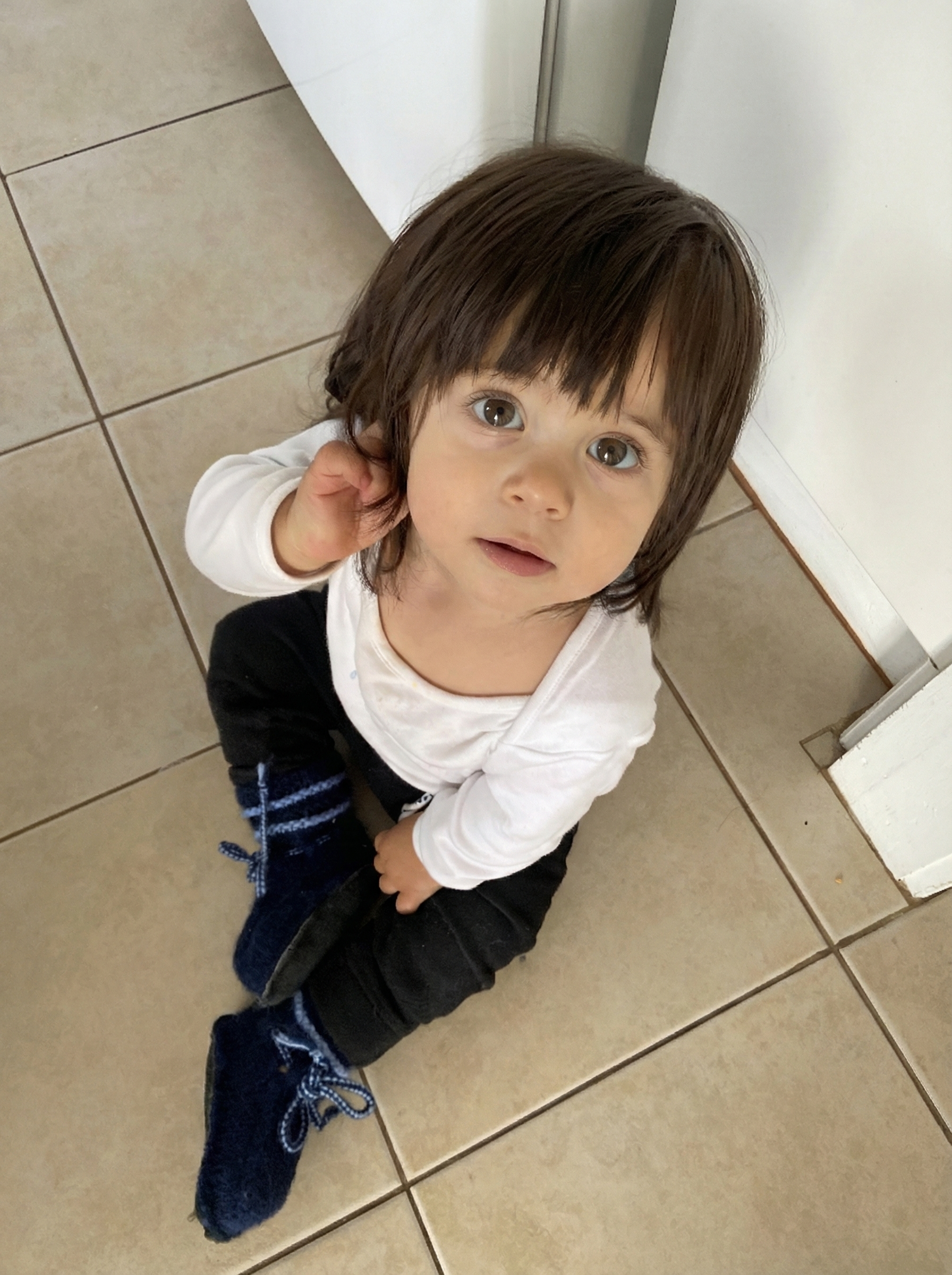

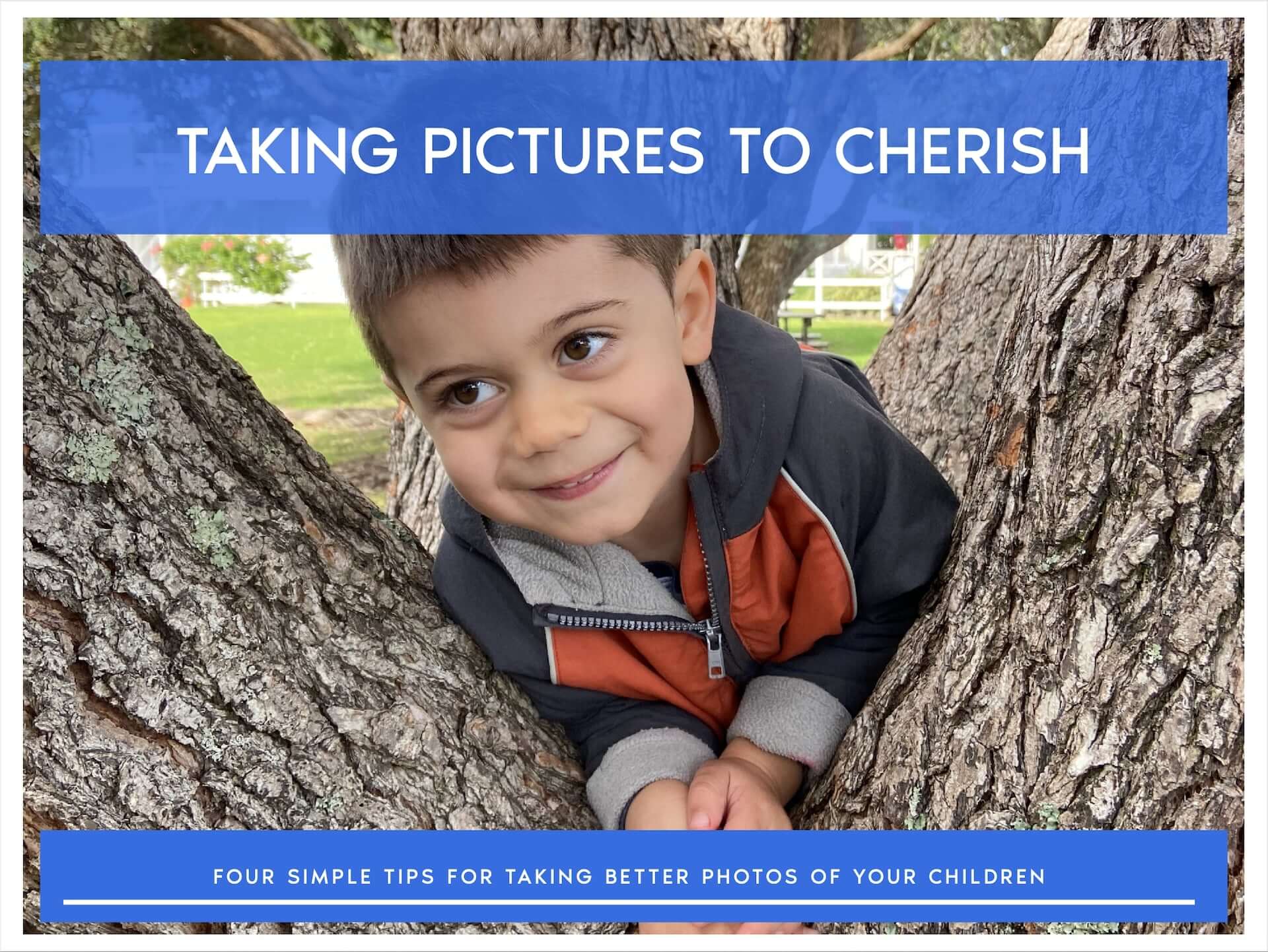
For every early childhood teacher, taking photos is part of the job. Over decades in the classroom I’ve taken thousands of photographs to illustrate children’s Learning Stories — reports for parents to help them stay connected to their child’s growth, relationships, and everyday learning at the daycare center.
So, I wanted my photos to be a bit extra! I wasn't aiming for professional-grade posed shots (these are preschoolers!), but something that parents would love.
The shift from a quick snapshot to a photograph that truly sparkles (and has parents asking for a copy!) doesn’t require fancy equipment or technical know-how. It just comes down to a few simple techniques that anyone can learn and use.
My guide, Taking Pictures to Cherish, shares the practical skills I found worked for me. Take my four simple, easy-to-remember steps and you’ll capture images that feel real, tell a story, and are genuinely worth printing and keeping.
Add your email below to download this free 45 page PDF with lots of example photos—and start really capturing your child’s story today.

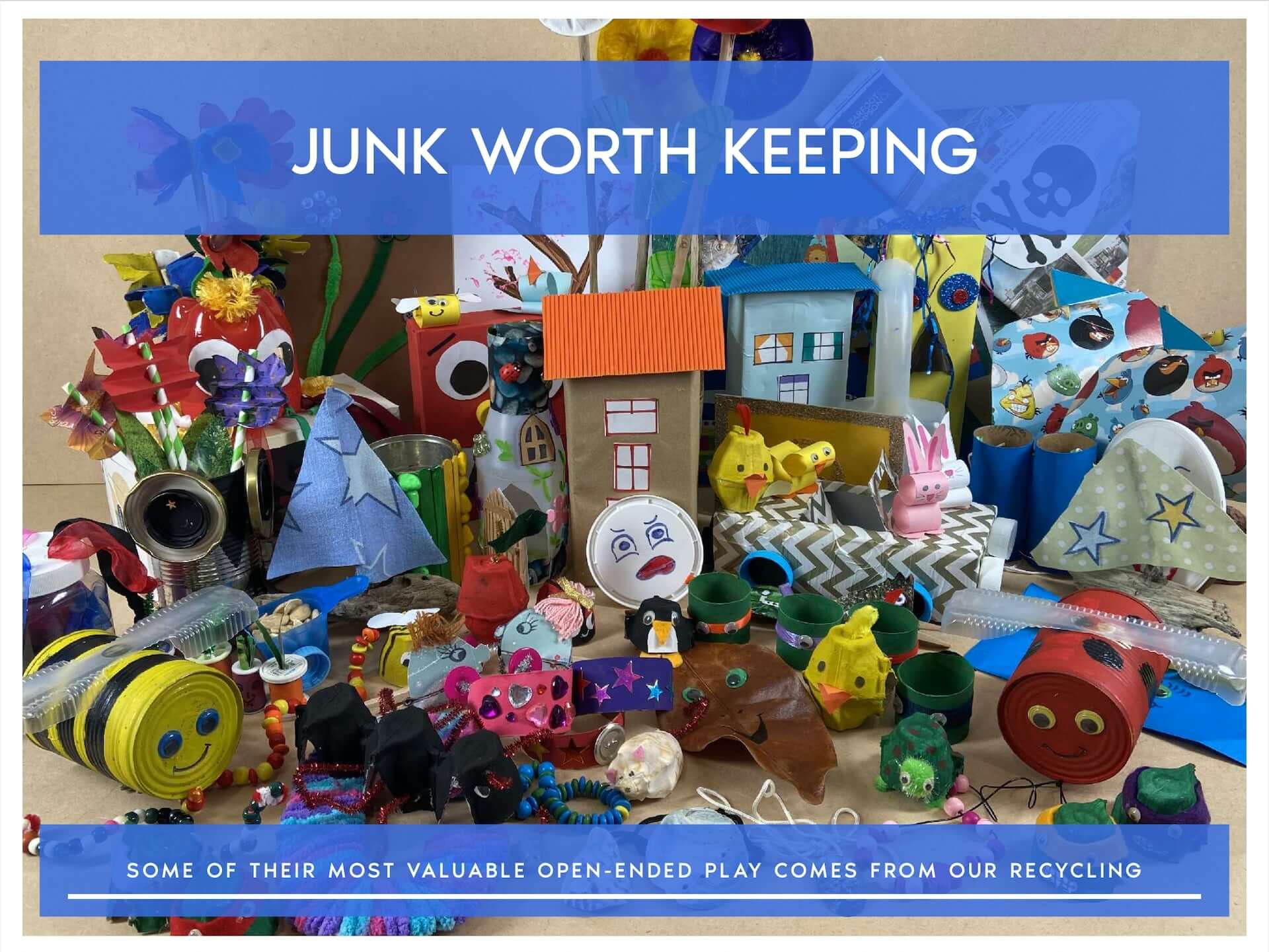
Some of your child's most valuable, open-ended play comes from your recycling!
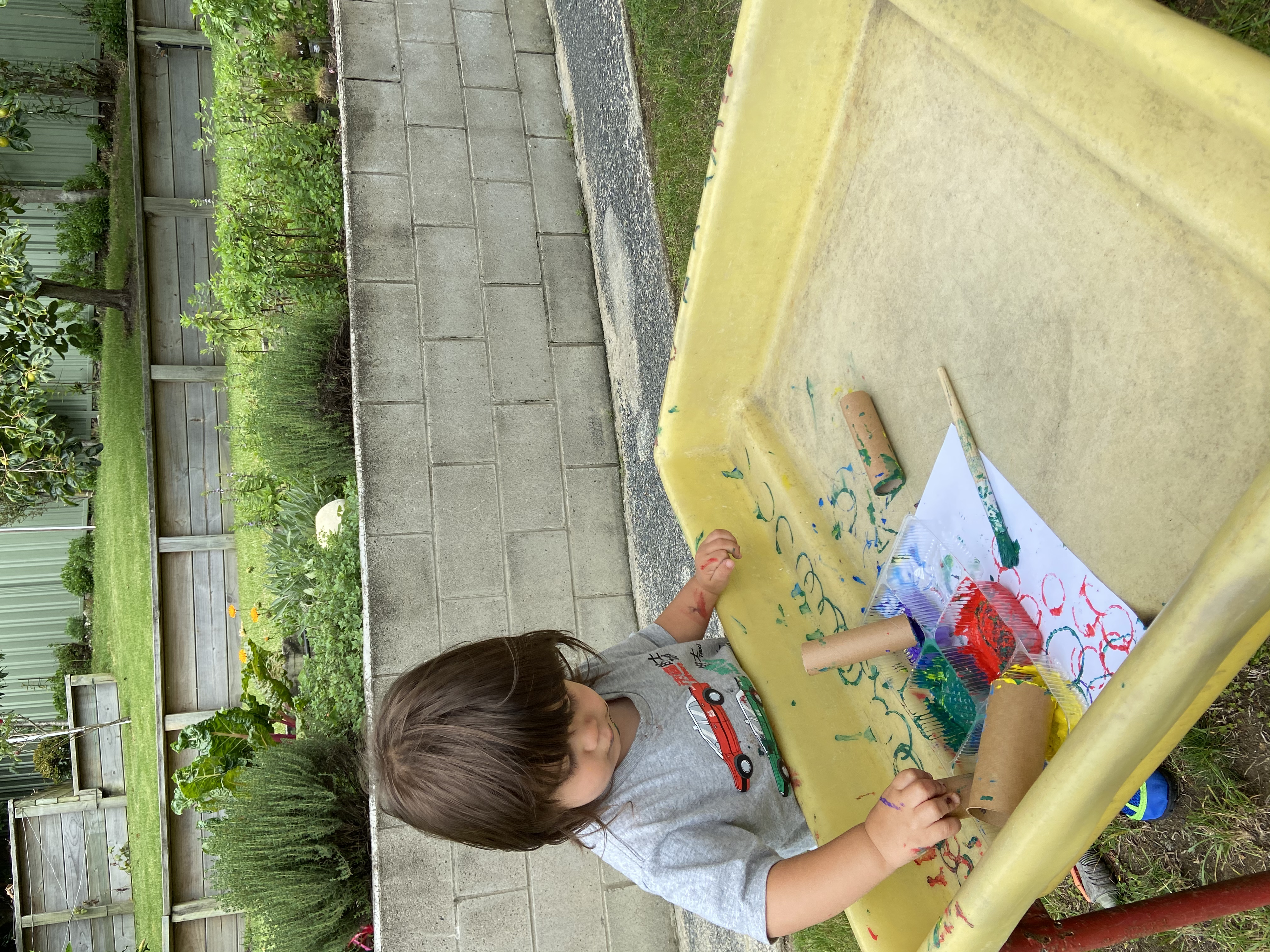
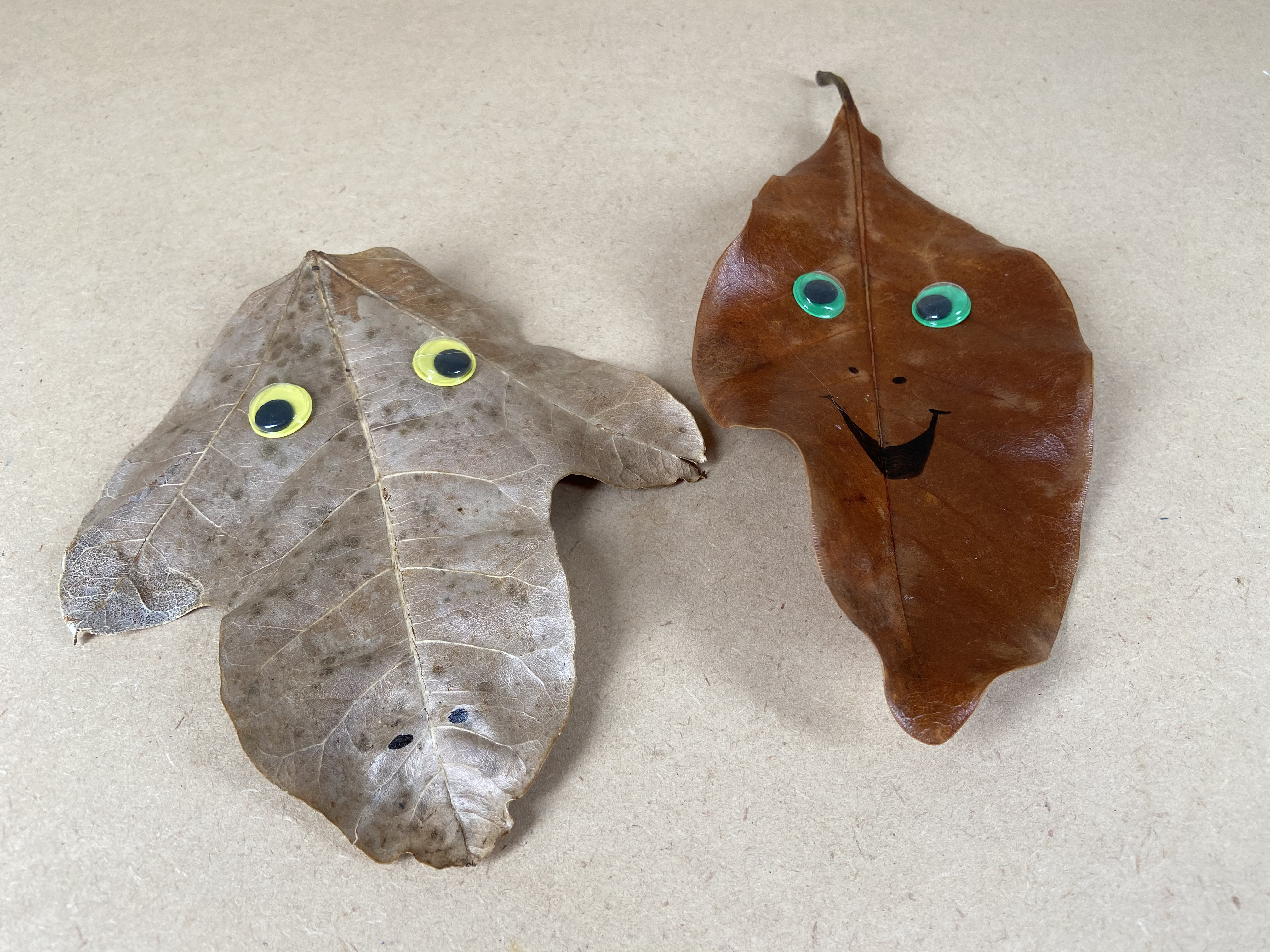
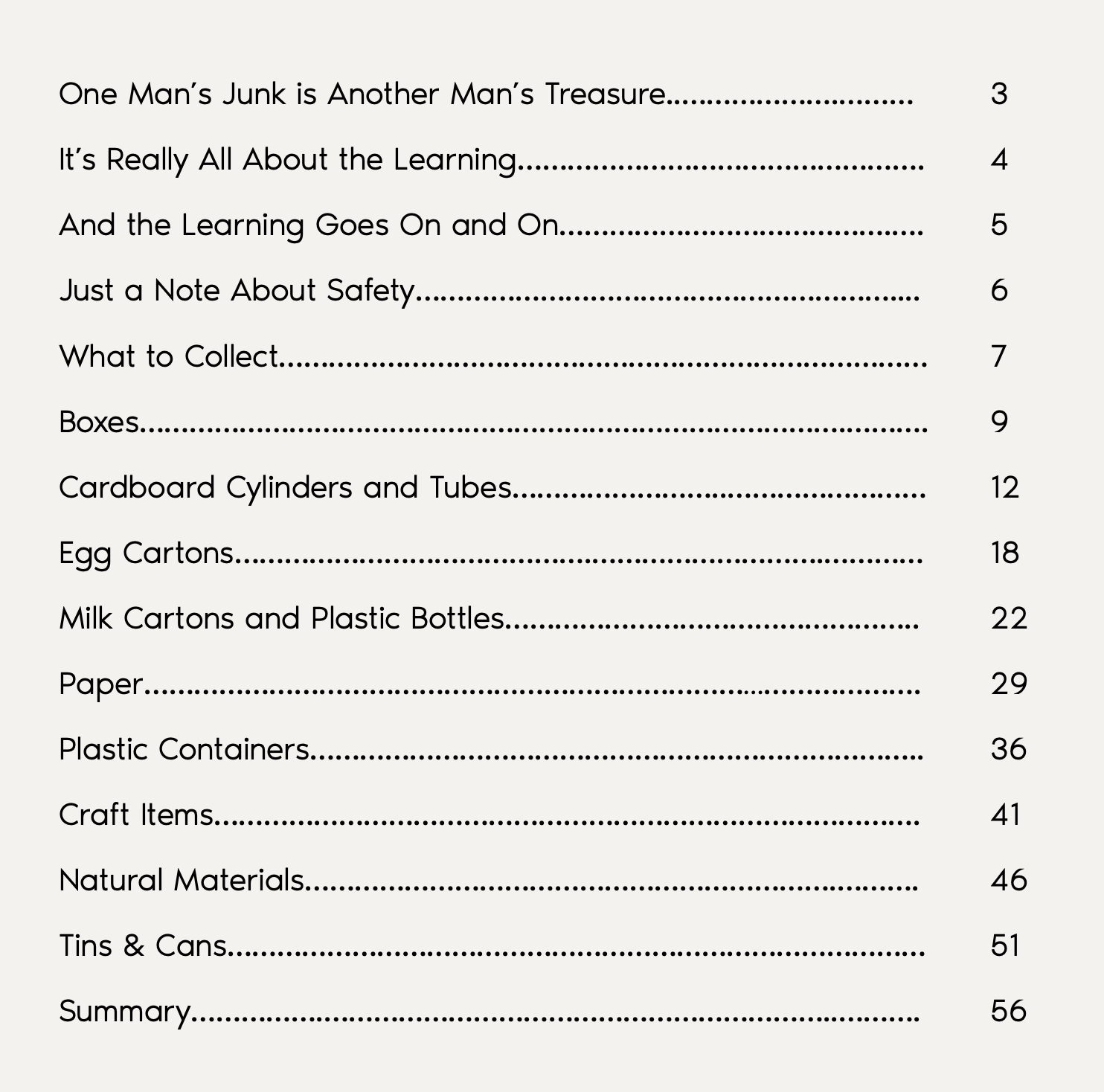
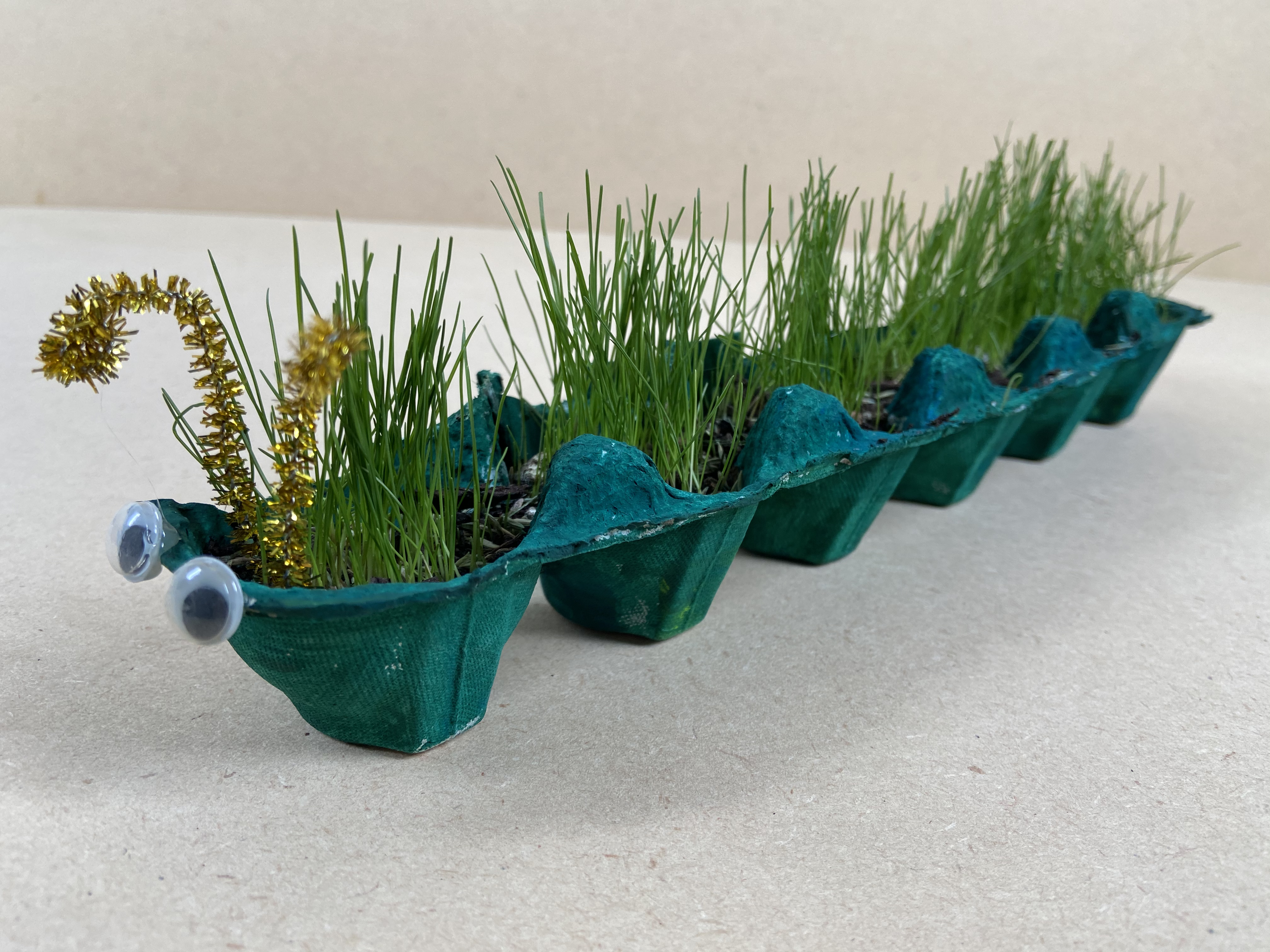
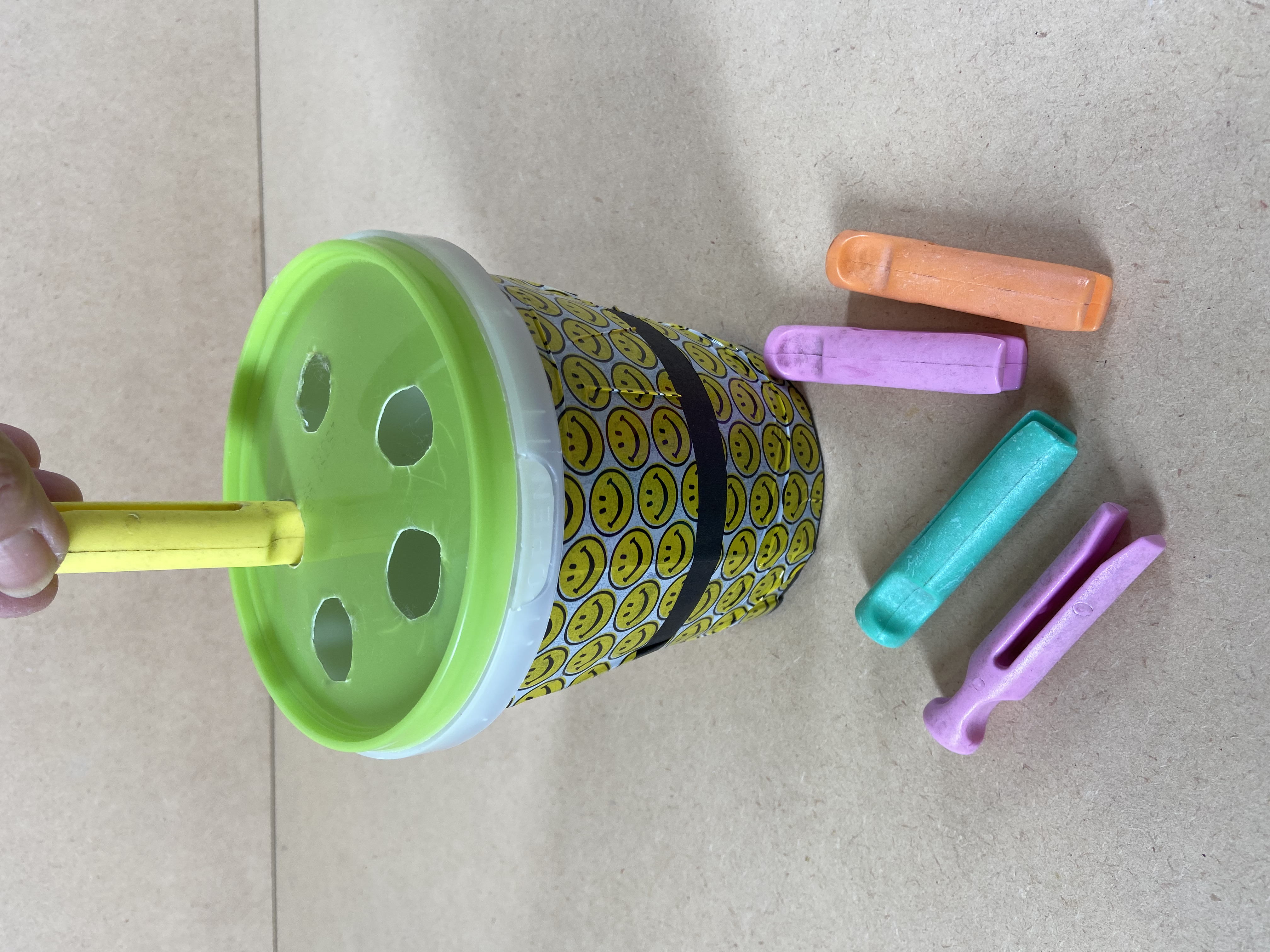
Unlock the hidden potential of your recycling bin. Turn everyday objects into unparalleled learning opportunities for your preschooler. While most store-bought toys limit creativity with their single-purpose designs, recycled materials are delightfully open-ended, allowing children to manipulate, explore, and reinvent without limitations. Offer your child safe, clean, and repurposed materials and you aren’t just saving money—you’re triggering imaginative play and helping your child develop essential problem-solving skills, confidence, and independence.
This comprehensive 58 page PDF provides a wealth of ideas for collecting “junk” that your child will truly get excited about, from simple cardboard tubes and egg cartons to natural materials like shells and pine cones.
Download this guide and set your child's ingenuity in action. They’ll spend hours happily occupied with their new favorite “treasures,” and you’ll get to watch them learn (and you’ll gain a sense of accomplishment seeing those throwaway materials repurposed.
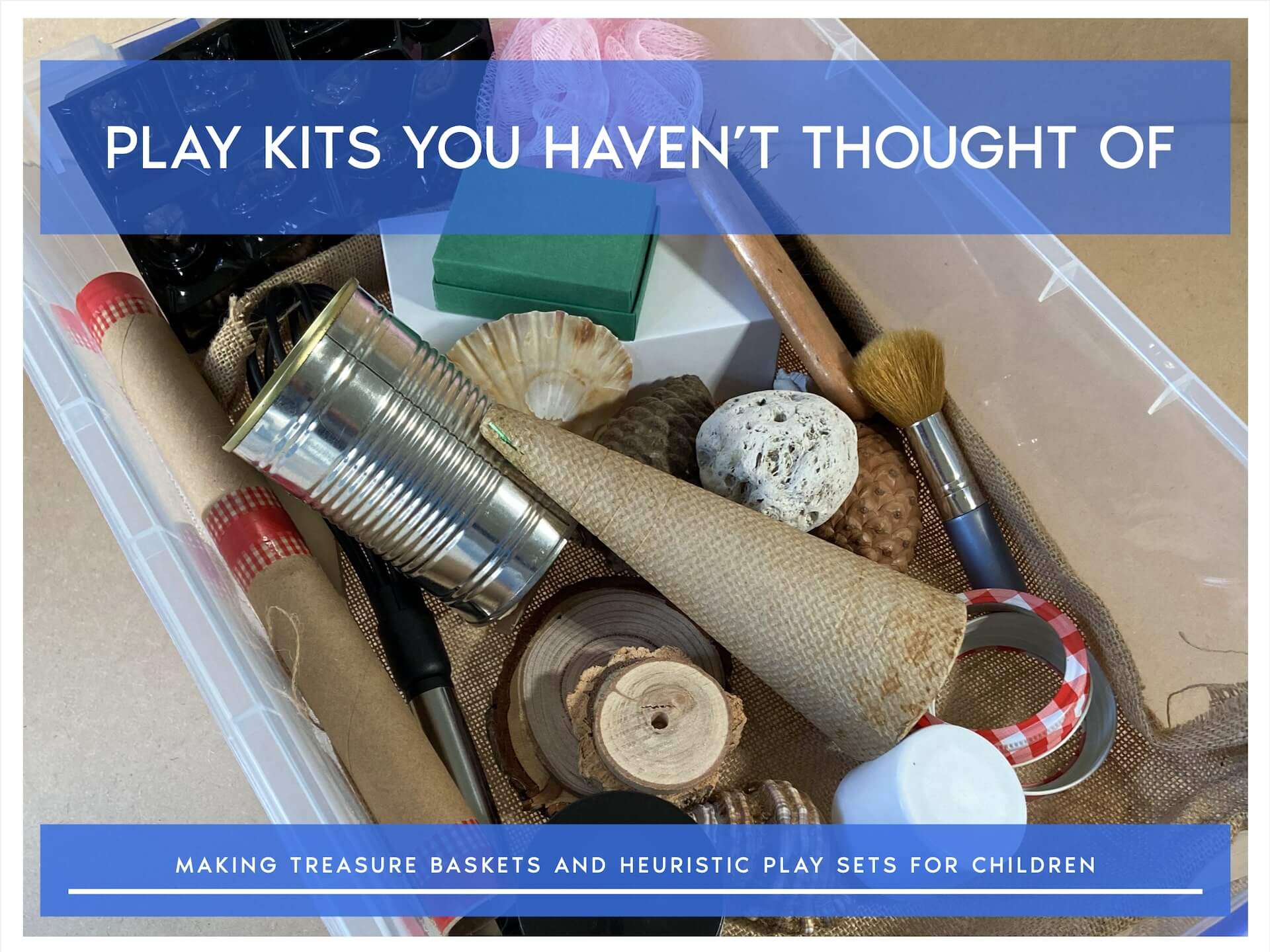
Making treasure baskets and heuristic play kits for children.
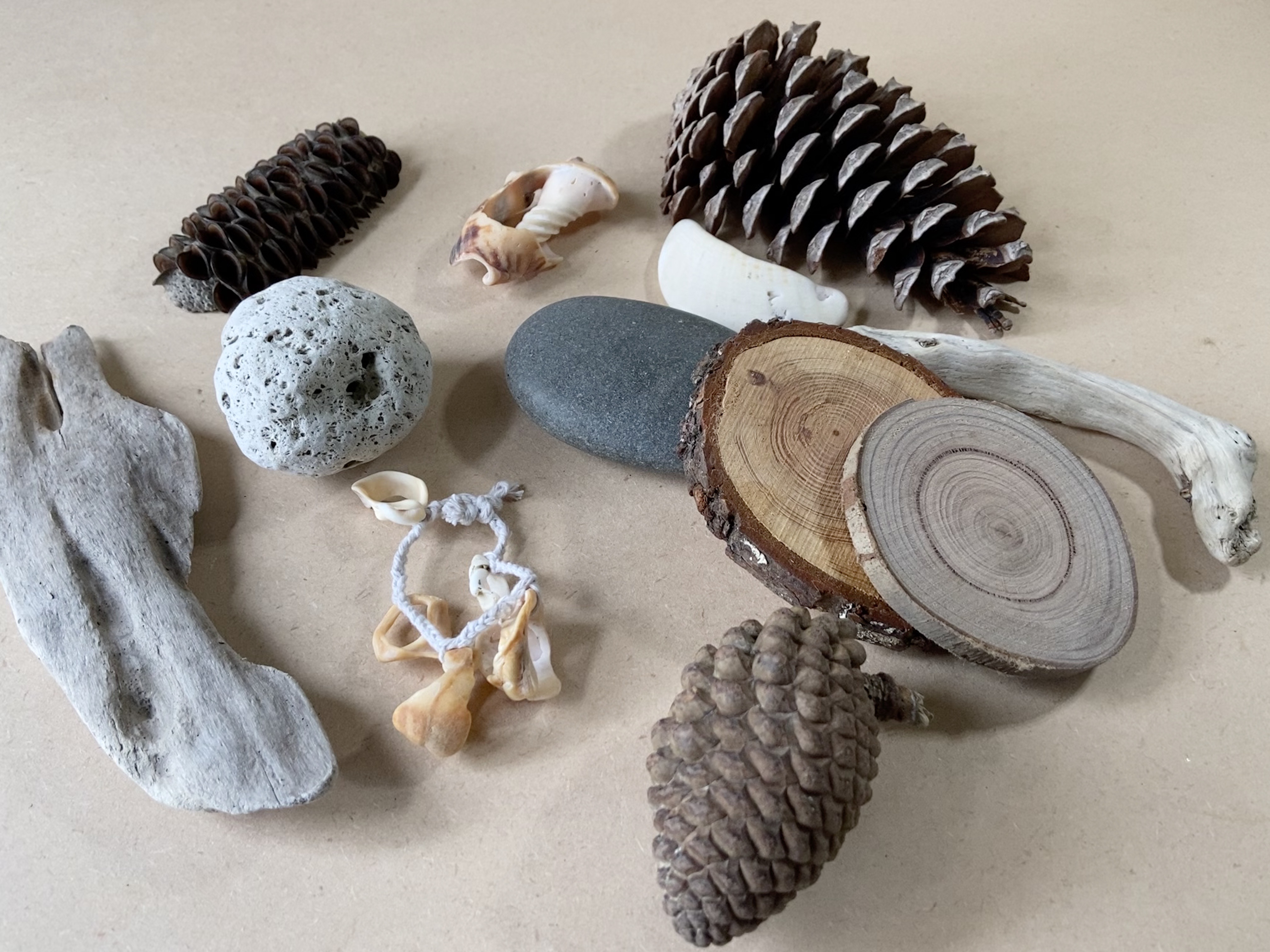
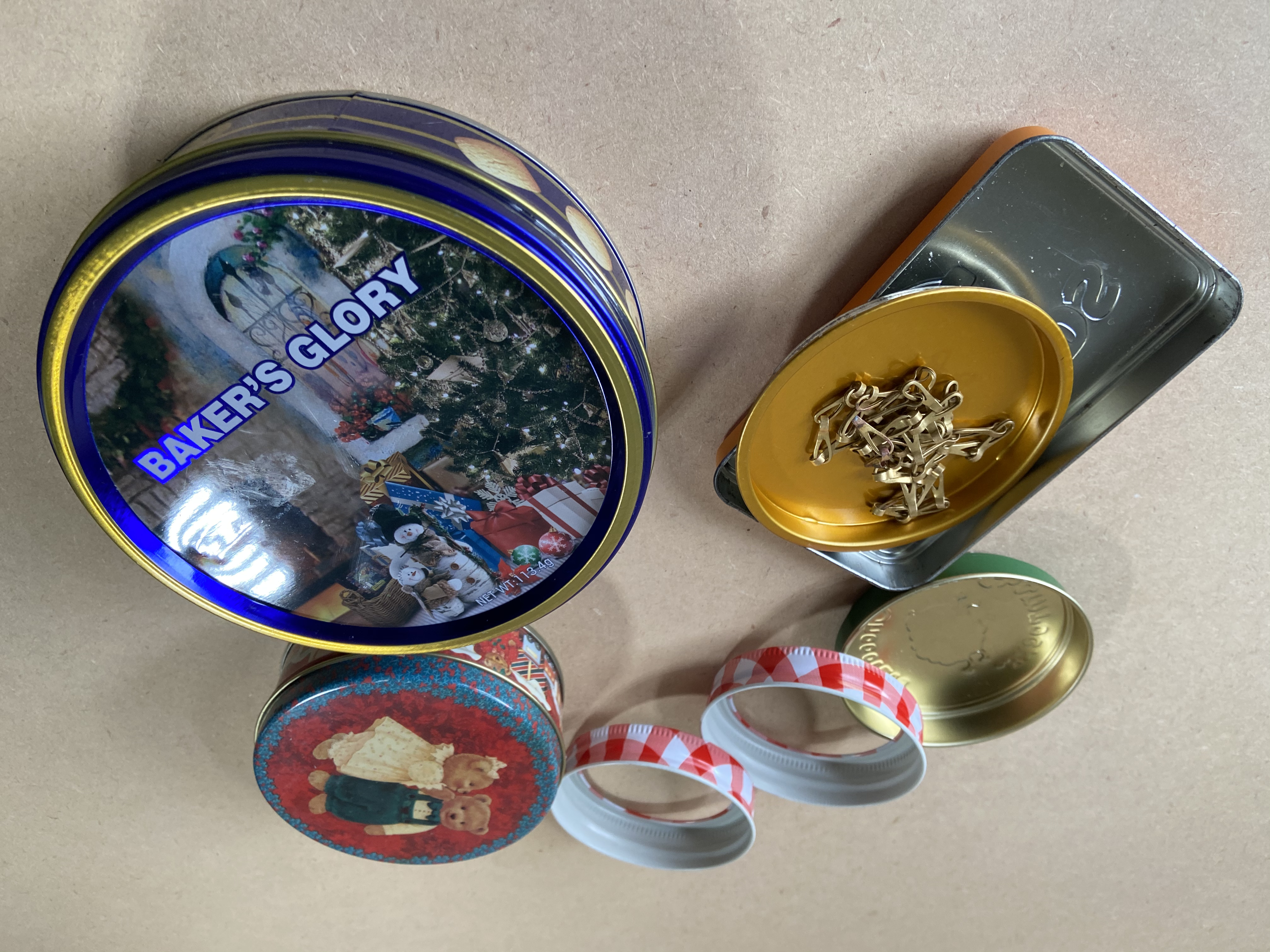
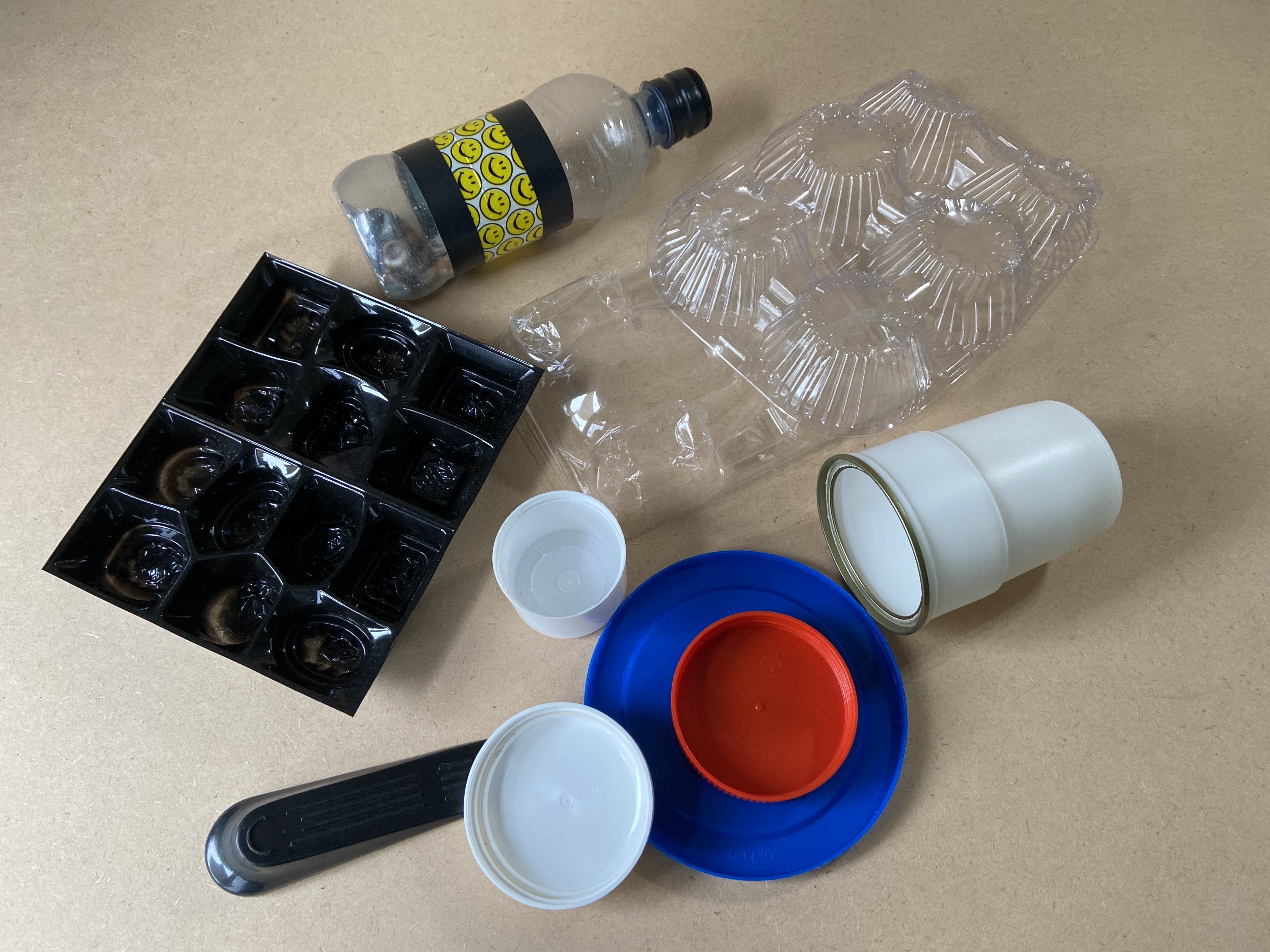
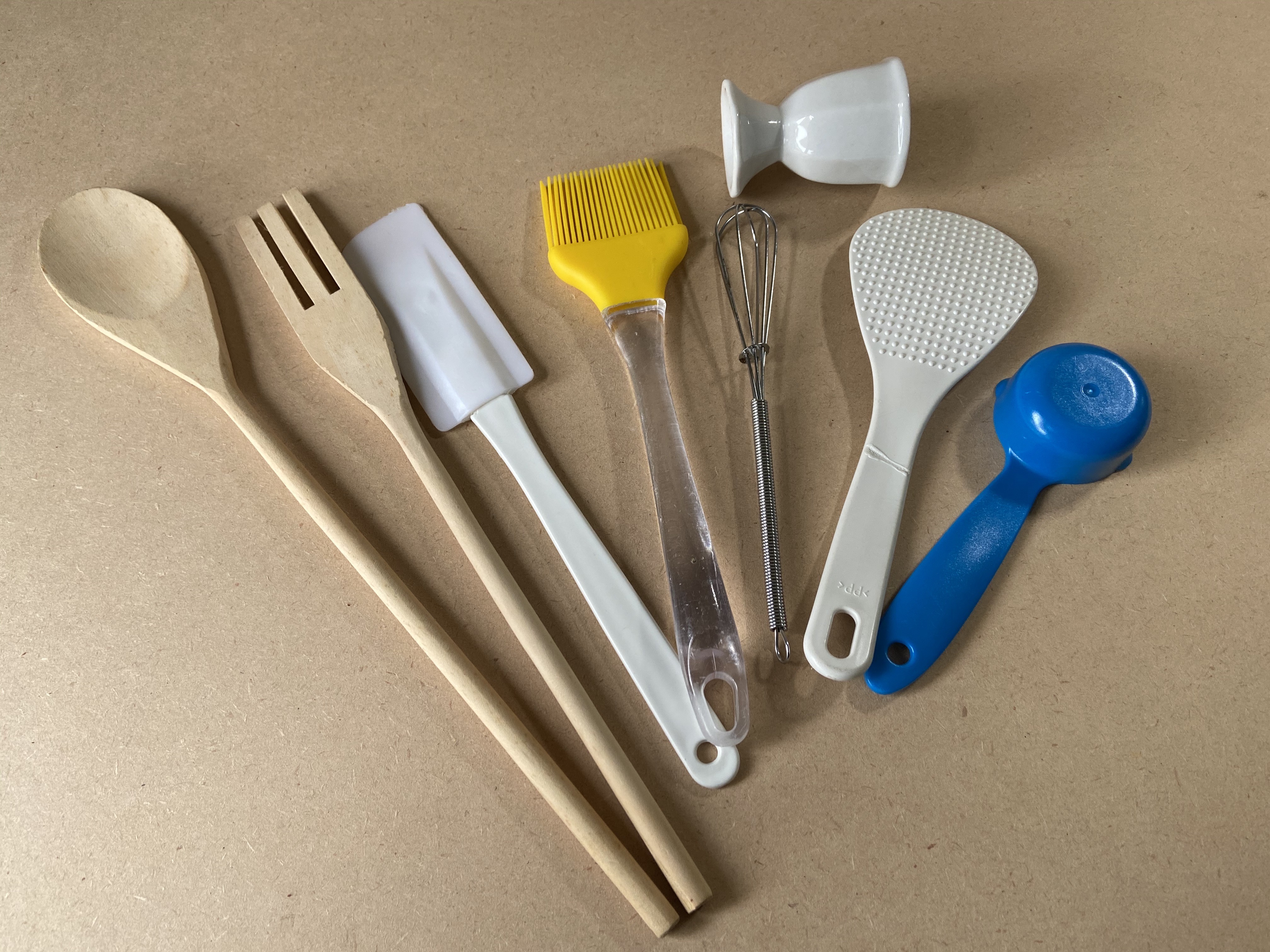
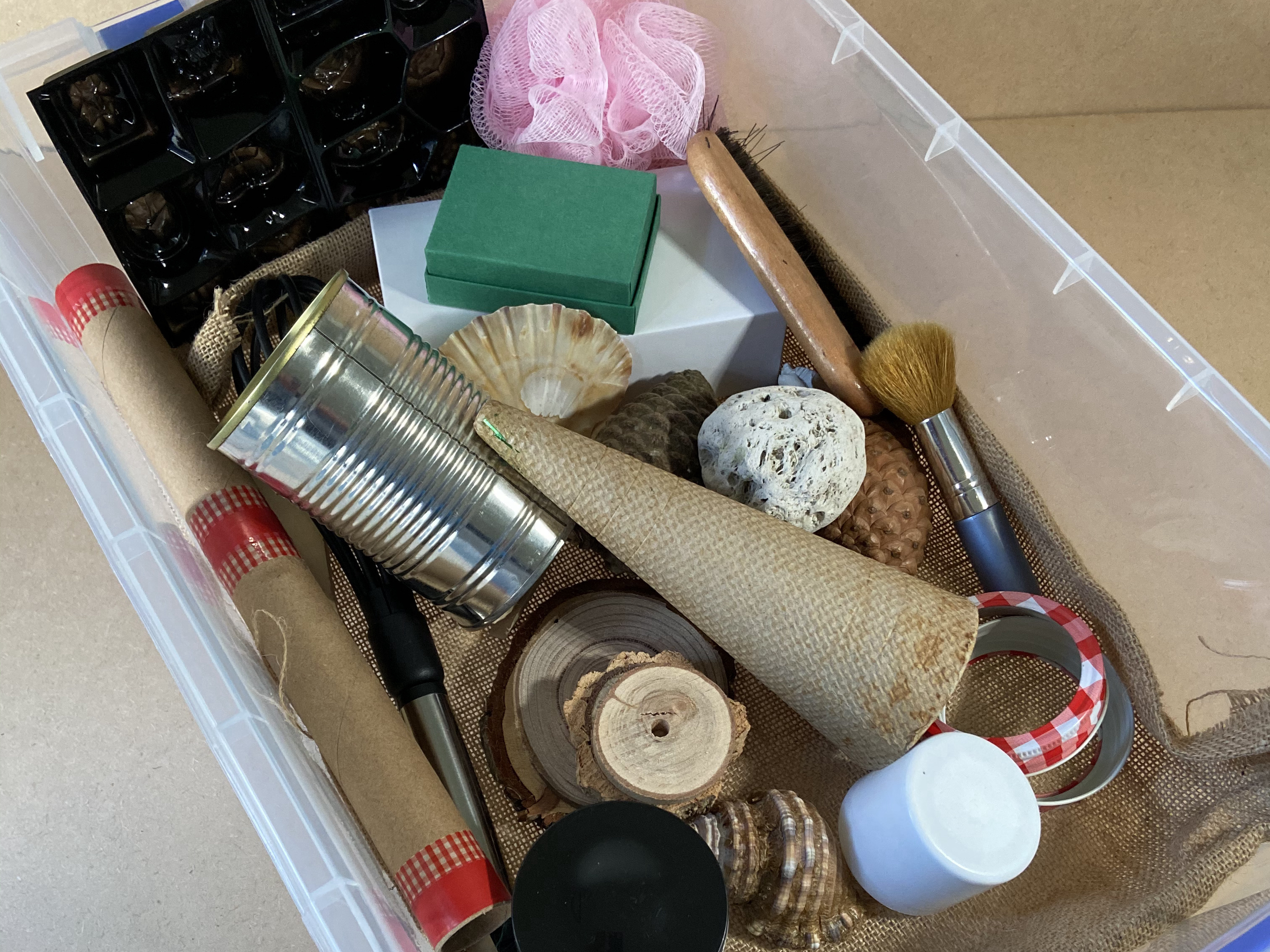
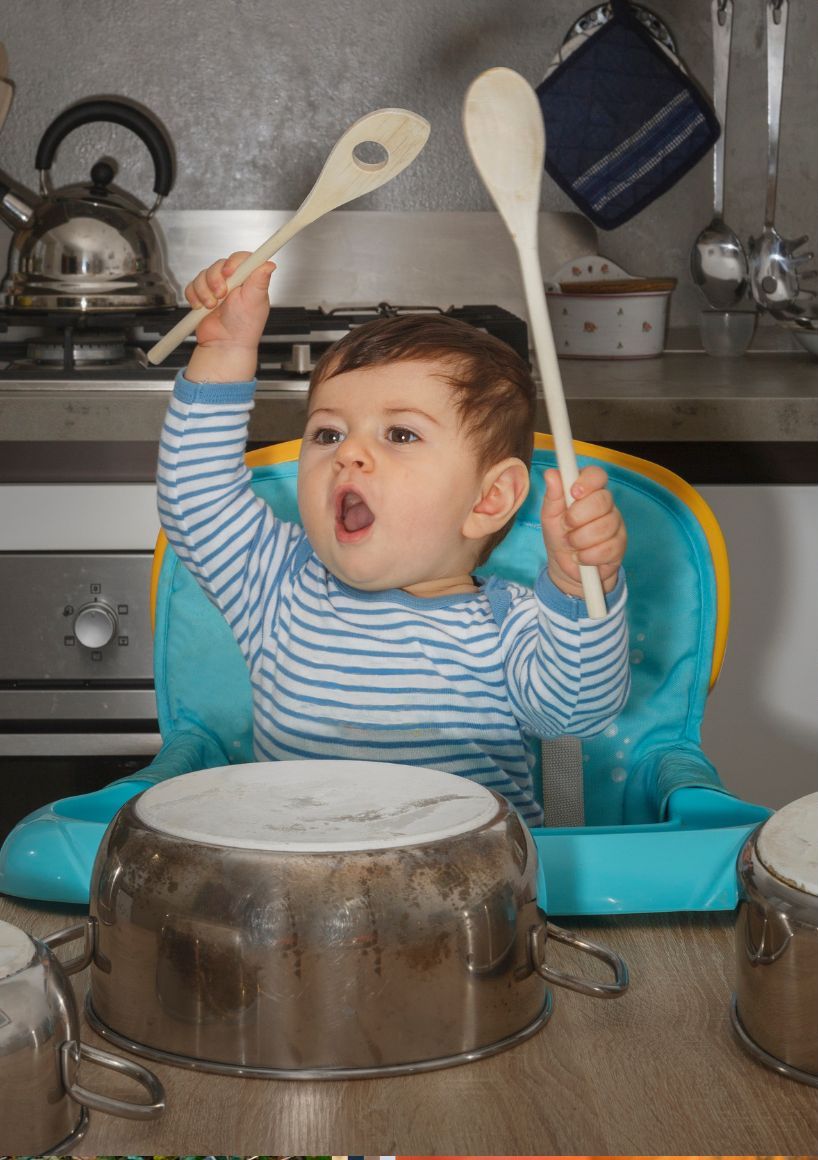
You’ve seen little ones endlessly fascinated by wooden spoons, pots and pans, or an empty cardboard box (while their expensive toys sit untouched!).
There’s actually a beautiful reason for this—and a simple way to harness it.
This free guide explains treasure baskets and heuristic play: an approach used by early childhood educators worldwide that transforms everyday household items into powerful learning tools. The kits are not just random objects. They’re carefully selected items to stimulate baby’s senses, support their brain development, and satisfy their natural curiosity about the real world.
Inside this guide, you’ll see exactly how to create age-appropriate play kits for babies and toddlers, from the moment they can sit unaided through their early walking years. You’ll learn which safe household items to include (and which to avoid), how different materials support specific developmental skills, and why your child exploring a metal whisk or pine cone teaches them more about weight, texture, sound, and spatial relationships than most store-bought toys. You'll also get detailed lists of what to include organized by material type—cardboard, metal, natural items, brushes, and more—plus specific play kit ideas focused on posting, stacking, threading, and sound-making.
Best of all, these play kits cost almost nothing to create and can be assembled from items you already have at home or can easily find. Download your free copy today and discover why early childhood professionals consider simple collections of everyday objects to be some of the most valuable “toys” you can offer your child.

Download All Three!
Enter your email below and I'll send you links to download all three of my Guides.
